Humanities Seminars
All Quiet on the Western Front Seminar Reflection
Seminar Reflection by Josh Giersch September 14, 2011
The class seminar showed the different opinions on All Quiet on the Western Front with discussion ranging from if the book is antiwar or if it's not an antiwar novel.
In the seminar, some people felt the novel wasn't an antiwar novel because the book has some good things and that he wouldn't have included some happy scenes if it were antiwar. I connected to this remembering a book I read a long time ago about the civil war, and it had a plot like Aqotwf and I remembered how similar the books were with details of men being killed and guys wondering and thinking the war wasn’t necessary. My stance on this was the book is antiwar for example in the book on page 104 a quote says: “We have tired faces and avoid each other’s eyes. I felt Paul was sick of war since he continuously mopes around about the war, he sees death all over and they are hungry; plus when he gets to his moms house, he sees he has changed since he got into the war. I found this conversation had good evidence for both sides, but the antiwar points were the strongest since the majority of the book is about bad things and Paul being sad. The Truth of war I think in all quiet on the Western is about the morale of the soldiers and how they change as a person. A good quote showing my thought for the truth of war can be found on page 168 where Paul says: Formerly I lived in just the same way myself, but now I feel no contact here. They have worries, aims, desires, that I cannot comprehend. This quote shows how Paul has been changed by the war mentally. Paul is so used to seeing death, he used to be able to Paul is so used to seeing death; he used to be able to do things people he is around in this quote are doing such as just dealing with everyday life and Paul sees it as something he can no longer do. With all of the violence and death from the death to his friends to the killing of a French man who Paul realizes has family that makes his sad or just seeing all the people sick makes Paul’s morale only go to a certain limit before he can’t take things anymore. At the end of the story, you can tell Paul is losing hope in his army and that they should just surrender. A great quote for this is on page 278: We are in a crater, the English are coming down obliquely, they are turning our flank and working in behind us.
If I were to represent the truth of war in another form, I would pick to do a research paper comparing WW1 to WW2. I would do a full research page comparing the soldier’s morale in both wars and how they compared to the book and how both wars were different for truth of war. I would do a research paper on the wars since WW1 and WW2 both had almost the same armies fighting and the morale was almost the same. I picked WW2 since they are very similar and fascinating to read about. The truth of war is shown well in these two wars for reasons like WW1 such as the soldiers always having a friend killed next to them or seeing a bomb dropped and killing 30 men and the harsh conditions with little food and always running out of bullets. I would put this into a full page research paper on how the truth of war for these two wars was alike.
Slaughterhouse 5 Seminar Reflection 
Seminar Reflection 10/4/11 Josh Giersch
A quote someone said in Seminar was when India talked about how the message of the book is that war is where you need to know how to mourn and when you might have too much so it goes. That was interesting and finding the message of the book was hard for me, but when I thought about it more, I had to agree. After all of the bad parts in the book, Billy seems to say so it goes such as on page 180 in the 2nd to last stanza in the Dresden bombing where he seems bomb after bomb killing many people and he doesn’t even show any emotion to the people getting killed. At times where you think he would be sad, he isn’t and at times where he should be angry he is happy such as when he is captured by the Germans, he start’s acting like the situation is not bad. I think the message of the story India talked here was the reader should find people should have emotion to things.
Billy wanted to think he got kidnapped by aliens and taken to the tralfamadorian planet because he wanted to find happiness for his life. Billy read many science fiction books and was the happiest in the book when he was reading the books and when he got to meet his favorite author. The stories I think convinced his crazy imagination he was really taken by aliens so that his hard life would be a little easier in a way for him, but didn’t work out for others. He wants to believe in freewill, but when he is convinced the aliens don’t believe in free will, than it’s confusing for him when he supposedly comes back to earth not believing in it anymore. Billy starts to live as though he can’t control the things happening and he has to just go with it such as in the story when it talks about some little things affecting him on page 172 it says: “Really, I’m ok. And he was too accept that he could find no explanation for why the song had affected him so grotesquely.” This quote shows he is losing control of himself and just letting time rule him. The free will part the aliens don’t believe because they are taught that they have no control over things and that they will have happy times, but in the end the universe will be destroyed and all life will be gone. In page 86 it quotes: “Only on earth in their any talk of free will.” This quote shows the aliens saying humans want hope for things and that they want to control things and not always accept everything. I think some humans want to live lies and Billy seems to only think about bad things so he can’t find any happiness which is why he isn’t happy with his wife, son, good house and job since he can only focus on bad things that will happen in the future. I think humans live lies to stay happy at times to feel better such as thinking when you die some god I don’t think exists is going to make them an afterlife since humans don’t like the idea of when you die your gone for good and want to think we have an afterlife. One connection I found between the book and the seminar was we agree the books showing you need to have emotion in order to get over something which is why I had picked India’s quote. He quote I remembered was she felt you had to find a way to cope with bad things and be able to move on. This reminds me of when my dog died recently how I loved my dog and was sad she died, but I mourned her death for a while and kept her in my thoughts, but didn’t go to the point where I was very sad and not able to move on. I mourned my dog’s death and moved on and now am happy I am getting a new dog in November. How aqotwf relates to slaughterhouse 5 is that both war books focus on how war can change you as a person a whole lot. On page 296 it quotes Paul saying: “His face had an expression of clam, as though almost glad the end had come.” This reminds me of how Paul moved on and in slaughterhouse 5 on page 215 it says: “One bird said to Billy, poo-tee-weet.” This shows that Billy found a part where he settled down a bit and the bird shows a sense of peace it seems. The characters of both books struggle with things going on, but eventually find an end.

Jihad vs. Mcworld
 My jihad propaganda poster
The Ones Who Walk Away From Omelas

Being Peace:

Seminar Reflection:
What types of Galtung's violence would these trainings be most effective against? Why?
Violence vs. Nonviolence
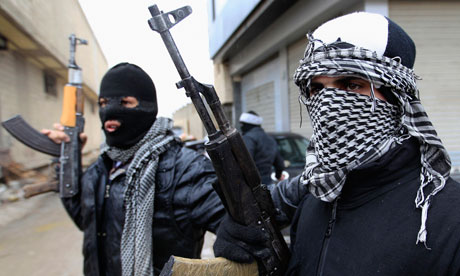
This is a photo of the Free Syrian Army (Syrian Army defectors)
Non Violence Essay Josh Giersch
 My jihad propaganda poster
Jihad vs. McWorld Reflection:
1. For Jihad vs. McWorld, we read an essay which talks about Jihad which is radical Islamists in other countries such as Lebanon, Syria and Iran. Jihad is radical Islamists who want to take the world over with Islam while McWorld is companies like McDonalds, companies that seem to rule countries governments with large corporations.
2. Over the next 100 years, do you think that Jihad or McWorld will be the dominant force in the world? Why?
I think that McWorld will dominate the world for a variety of reasons, first of all Arab countries like Libya who got rid of their governments in the Arab uprisings are wanting to be more western which is why most of the uprisings happened because people see what western countries have. Even crazy countries like North Korea are becoming more modern for example the North is allowing corporations from China to come inside their country where they work together for example with the North’s private ocean cruises. Even crazy countries are becoming more modern with western companies having to do something with that country. It seems McWorld is involved in the majority of the world’s countries and less Jihad so in the next 100 years, McWorld will be the dominator.
The Ones Who Walk Away From Omelas
Omelas reflection:
1. The main ideas of the story called The Ones Who Walk Away From Omelas is about happiness. The story is focused on what is happiness and what is true happiness. The story is focused around the city of Omelas being happy but a child having to suffer in order for everyone to be happy. The people know the child is suffering and they even feel sad, but, they still let the child stay in his current condition so they can be happy. The story seems to relate to our own country and whether if we take advantage of other countries for our own happiness.
2. In this story, what is the relationship between guilt and happiness?
The difference between guilt and happiness is the people who honestly feel happy and the people who legitimately happy. The story has people who leave the city because they feel unhappy with how things go on for example at the end of the story it says they leave as if they know where they’re going. The people who leave are older people so I think they grow up with guilt and eventually can no longer handle it so they leave while other people in the city are happy but feel guilty but keep on going with what they’re doing. This system to me reminds me of North Korea where theirs people who is happy some who feel guilty but continues and the few who can’t take t and eventually just leave.
Being Peace:
Seminar Reflection:
What types of Galtung's violence would these trainings be most effective against? Why?
What type of violence these trainings would be most effective against would be against things that humans find to be negative. Humans see rudeness as saying things that might make another person feel mad or sad. A good example would be if someone said another person can never get into a good college because they are too stupid. If someone who said that were to use these trainings, than they would most likely not say someone is too stupid to get into a college. One of these rules that Galtung has that would work is his third rule which says not to not impose your views on others. He says that we need to leave others alone and to let others be different which means respect their rights to be different and to choose what they want to do and how they will do it which for example may be going to college or not wanting to go onto college.
Another type of violence these trainings may be affective against may be hatred to someone’s race. In the United States, one of the main things the media likes to focus on is the hate that some people Americans seem to give to people who come from Mexico to United States to get a job here or to get a better life for themselves or for their family. Many Hispanics in states like Arizona feel like second class citizens and feel they are all treated like illegal immigrants just because their Hispanic. One of the rules that Galtung has is his thirteenth rule which says you shall make no social injustice or oppression against someone and instead show kindness to people. His rule also shows to have actions that instead of causing division or hatred, use methods that lead to peace.
Seminar Reflection Part 2
My Rules
My first rule is to think clearly and rationally. I pick this rule because now these days it seems people seem to only believe what they are taught to believe and to never challenge their beliefs about whether their beliefs could be wrong. I think this rule is needed because it’s important to know truth and to be aware of both sides to a belief because beliefs affect your actions and your way of thinking could affect other people for example if the majority of people hold a belief that could affect others and then it gets into politics, things get bad. This rule would be hard because many people don’t like seeing their beliefs challenged. An example of this is the anti-American stance in some Arab countries, many people are raised to hate America and they just accept it. This can affect a countries politics and then it could affect foreign relations with other countries.
My second rule is to allow everyone to have an equal opportunity and help them achieve it. This rule is where it doesn’t matter whether you’re rich or poor or even where you come from, a person should let all people have a fair shot at achieving their dream and you shouldn’t stop them from wanting something that you may disagree with just because they are different. This rule is important because in some places people are limited to opportunity just because their different. If everyone is allowed a fair shot, we would have happier people and people might have more motivation to not want to give up. This would be hard to achieve because lots of people think if you drop out of school, you are dumb and will never have a chance of achieving something and people should not help you. A great example is Steve Jobs who dropped out of college and lived in a family with limited money but he had tons of support from his parents to the point where he was encouraged to not give up and Steve ended up starting Apple which is something that benefits many people from jobs to good technology.
My third rule is to do what makes you happy. This means not doing something you may not like for the pleasure of another person, but being yourself and not doing things that may not be something you won’t be happy with. I think this rule is important because I feel a society is better when people are happy. In some countries people change their lives just so someone may have a better opportunity at doing something such as when woman didn’t have the rights they have now where they may give up their dream of getting a great job for example just so their husband can get his dream job and have a family where the wife raises the kids while he does his dream job while the wife may be very unhappy. I think this would be difficult because in many cultures where people are “better” than another person, then they may not want to change their culture because they don’t think want their own happiness to be at a risk of change. If a person is unhappy, they could have a life of unhappiness that may affect them to do crazy things such as always fighting with their spouse who could later on affect other people such as their kids or other people living with them.
My fourth rule is decreasing your ego because if you’re mostly focused on your ego than you could be more inclined to be pretty selfish and be focused on materialism while not keeping in mind how your actions could be affecting other people. I think if you’re aware that you may be going too far on something such as treating people bad because you think you’re better than them, then you may be happy but at the same time making others mad or sad which could ruin your relationships with other people. This would be hard to do because many people want to have the best things and people often feel they are better than someone else.
Violence vs. Nonviolence
This is a photo of the Free Syrian Army (Syrian Army defectors)
Non Violence Essay Josh Giersch
Every day hundreds of people are being crushed or killed by military force as the international community sits and watches. People often picture protesting as people holding signs and then getting a positive media response while people in other countries often picture protesting as guns being shot and people being arrested. Protesting peacefully has worked in the past, but facing an oppressive dictator who is killing innocent people often leads to heavy violence. The United States is a federal democracy where people are allowed to protest something they may be for or against. Most protests in the United States are peaceful where people stand on sidewalks with a sign while a police officer may be nearby watching to make sure the area stays peaceful. When many people here protest something, than you will often find the media getting involved which often leads to people getting reform on something they may want such as a politician resigning. Often in other countries, people don’t have the same rights people in the United States do. I other countries if people protest, than their government may arrest them or use violence to disperse a protest before things get worst such as the media bringing lots of attention to what’s happening there. In cases like in China in Tiananmen Square, Chinese civilians who were protesting ended up getting crushed by military force. Sometimes protests are forced to end, reform may be made or protests may continue but in the case of Tiananmen Square, Chinese protestors stopped. Nonviolent protesting has been an effective way of protesting and getting what you want without going to violence. In the article, “Active Nonviolence: A way of Life”, it says,” A boycott is a very powerful way of challenging an unjust situation.” (Deats, 269-72) Martin Luther King who led the civil rights movement used nonviolence methods to get equal rights for African Americans. African Americans were forced to sit in the back of busses and still pay the same prices white people paid. Martin Luther King who was leading marches realized more action needed to be done so he started the bus boycotts in Montgomery after Rosa parks was arrested for breaking the unjust rules. Many African American’s stopped riding busses and instead walked or car pooled. Black people made up 66% of the riders who rode the busses at the time. After 381 days of boycotting the busses, the rules changed so blacks were allowed to ride in the front seats on busses (Sandy,Gonzales. "History of the Montgomery Bus Boycott."). This is an example of a peaceful protest where people got the reform they wanted without using any violence. They were able to achieve this because of the bus boycott since the busses were losing lots of income. In South Africa, Nelson Mandela fought hard for better rights for black people. Mandela led protests and demanded reform so that everyone would have equal rights such as the time he refused to carry around his id he was required to carry just because he was black. Mandela broke the unjust rules and led peaceful protests but was always met with harsher laws from the government, unfair arrests and even gunfire being shot at the nonviolent protestors. Mandela realized the nonviolent protests were not making progress and instead things were getting worst which made him start to use violence on government property and not humans to make a stand. In Nelson Mandela’s speech, “An ideal for which I am prepared to die”, Mandela said, “I planned it as a result of a calm and sober assessment of the political situation that had arisen after many years of tyranny, exploitation, and oppression of my people by the whites.”( Mandela, Nelson. "An ideal for which I am prepared to die.")Mandela saw violence as the only way to get better rights since he saw the nonviolence as a failure because blacks were forced to carry government issued ids just because they were black, the government passed tougher laws where blacks were no longer considered citizens and rights activists were being arrested and thrown in jail because of the unjust laws. Small protests have broken countries out to full civil war in the past which is how even the United States became a democracy. Just looking at protests outside of the United States, countries often meet protests with harsher laws or military force which is why nonviolence leads to violence in many cases. Violence has been an effective way of getting what you want which is how the United States got its own freedom from Britain. The American colonists protested unfair taxes and laws that Britain had on the colonies which led to a tougher stance from Britain and made the colonists resist more and made people wanting to make their own laws. Nonviolence led to the colonists fighting back at Britain with violence which led to the Revolutionary War where over 50,000 Americans died before American Independence was declared. If you look at modern day situations, Libya started out with people protesting against the dictator where reform was demanded and instead of getting reform, people were slaughtered and bombs being dropped on civilians. Libya turned from peace to violence where NATO ended up getting involved to protect the people from Muammar Gaddafi’s military. By the time Libya got independence, over 25,000 people were dead. The United Nations estimated over 5,000 civilians were killed before the civil war even broke out (Laub, Karin. "Libya: Estimated 30,000 Died In War; 4,000 Still Missing ."). Everyday men with hunting rifles and limited men go out and fight soldiers who outnumber them as their backed with tanks and heavy armor as they fight for the dictator who tries to crush anyone who challenges him with an iron fist. Violence to protestors isn’t just something that happened in the past, this type of violence is currently happening now. In Syria, the people started to protest against the countries dictatorship and the need for reform. The dictator, Bashar Al-Assad, used his military in hopes of crushing the protests. While the uprising is still going on, the United Nations estimates over 7,000 civilians have been killed and over 80,000 people have been thrown in jail just for demanding government reform. Nonviolence seems to have failed in Syria and the international community has been actively involved with the media very involved as well. Assad has failed to crush the protestors and has been met with resistance from civilians fighting back and over 40,000 deserted soldiers forming their own militias to protect protestors. This is a current day situation and an example of where peace is no longer an option and has left the people with the only option they have of forcing the dictator out or face more slaughter (Ward, Clarissa. "The Arab Spring."). Peace and violence together to get out of an unjust situation has been successful. An example of a nonviolent and violent revolution working together to avoid an unjust situation is like what happened with the Yemen uprising that happened this year. An estimated 2,000 civilians have died since the start of the uprising, yet, the dictator resigned and a civil war didn’t break out like in the case of Libya or the direction Syria seems to be headed. In Yemen, defected soldiers protected civilians and met soldiers shooting at civilians with violence while the majority of people protested and had peaceful strikes and boycotts (DeYoung, Karen. "Yemen president Saleh to step down; Bahrain acknowledges use of torture, excessive force."). The examples I have listed above show how in some cases nonviolence is a great way to get change while in many other cases violence is the only option to obtain freedom or get slaughtered. I see violence as the most effective method in unjust situations in modern day situations. In the end it depends on the unjust situation you’re whether you’re demanding reform or whether you’re demanding a dictator to step down. The way a government responds often determines how things will play out.
Citations:
Sandy Gonzales. "History of the Montgomery Bus Boycott." Montgomery Bus Boycott. Colorado.edu , 2010. Web. 13 Feb. 2012. <http://l3d.cs.colorado.edu/systems/agentsheets/New-Vista/bus-boycott/>.
Laub, Karin. "Libya: Estimated 30,000 Died In War; 4,000 Still Missing ." Libya . Huffington Post, 8 Sept. 2011. Web. 15 Feb. 2012. Path: http://www.huffingtonpost.com/2011/09/08/libya-war-died_n_953456.html.
Ward, Clarissa. "The Arab Spring." A small taste of freedom in one part of Syria. CBS News, 10 Feb. 2012. Web. 14 Feb. 2012. <http://www.cbsnews.com/8301-18563_162-57374949/a-small-taste-of-freedom-in-one-part-of-syria/>.
DeYoung, Karen. "Yemen president Saleh to step down; Bahrain acknowledges use of torture, excessive force." Washington Post, 23 Nov. 2011. Web. 14 Feb. 2012. <http://www.washingtonpost.com/world/national-security/report-torture-excessive-force-used-in-bahrain-crackdown-but-no-iranian-links/2011/11/23/gIQAOOgtoN_story.html>.
Deats, Richard. Active Nonviolence: A Way of Life. N.p.: n.p., n.d. 269-72. Print.
Mandela, Nelson. "An ideal for which I am prepared to die." Pretoria. 20 Apr. 1964. Address.
